Selecting the correct tires fundamentally alters a motorcycle's handling, safety, and overall riding experience. While tread patterns are often debated, the most significant structural choice comes down to the casing: bias (cross-ply) or radial. Understanding this difference is essential for optimal performance.
Structural Differences at the Core
The physical architecture of the casing is where these two types diverge:
- Bias Tires: The internal reinforcing cords (typically made of textile materials like rayon, nylon, or polyester) run diagonally from bead to bead, with each successive ply laid in the opposite direction. This crisscross pattern creates a thick, uniform structure where the sidewall and the tread share the same level of rigidity and act as a single unit.
- Bias-Belted Tires: This is a variant of the diagonal tire, featuring a reinforced diagonal belt under the tread surface. Designated with a "B" (e.g., 130/90B15), they are ideal for higher cubic capacity motorcycles that demand stronger tires, but possess a chassis not adapted for radial tires.
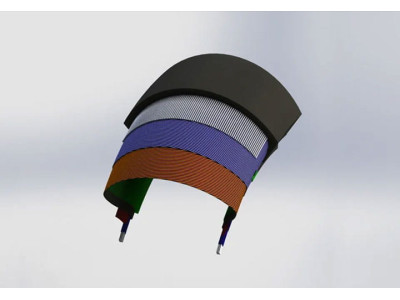
- Radial Tires: The cords run straight across the tire from bead to bead at a 90-degree angle to the direction of travel. Stabilizing belts are then placed underneath the tread area. This crucial design isolates the sidewall from the tread, allowing the sidewall to flex independently of the rigid contact patch.
- Steel Cord-Reinforced Radial Tires: A premium radial construction featuring an additional steel cord placed under the tread surface. This creates a more rigid carcass, delivering optimum riding performance that remains consistent throughout the tyre's entire lifespan.
Performance Characteristics on the Road
These internal design choices drastically change how the tire behaves dynamically:
- Impact Resistance and Durability: Because of their thick, unified construction, bias tires are exceptionally robust. They are far less susceptible to damage from severe pothole strikes or sharp impacts, making them incredibly resilient for heavier loads and rougher urban conditions.
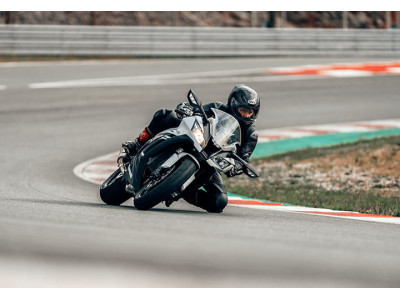
- Cornering Stability and Contact Patch: This is where radial tires truly shine. When leaning into a corner, the flexible sidewall of a radial tire absorbs the deformation forces. Instead of the edge of the tire lifting, the tread remains firmly planted on the tarmac, providing a much larger, more predictable, and more stable contact patch. Furthermore, this construction eliminates almost all the high-speed disadvantages of diagonal tires, meaning the tire's behaviour in limiting conditions is far more predictable.
The Role of Tire Pressure
While the structural design dictates the primary differences in handling and impact resistance, maintaining the correct pressure is still a crucial maintenance step for both types to function properly. Standard pressures vary depending on the motorcycle's weight class and the tire construction:
| Motorcycle Category | Tire Type | Pressure (Front / Rear), bar |
|---|---|---|
| 1000cc+ | Radial | 2.5–2.6 / 2.9 |
| 650cc | Radial | 2.4–2.5 / 2.7 |
| 400cc | Bias | 2.0–2.2 / 2.2–2.4 |
| 200cc | Bias | 2.1–2.2 / 2.4–2.5 |
Selecting the Right Tire for Your Motorcycle
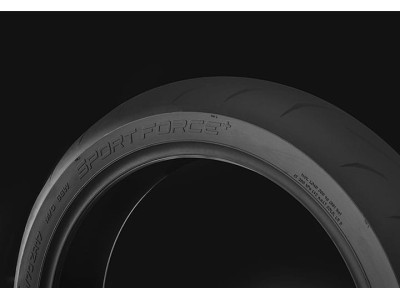
If you ride a modern sports bike, a high-capacity naked, or a sport-tourer (generally 600cc and above), radial is the standard. Tires like the Mitas SPORT FORCE+ RS or the TOURING FORCE are engineered to handle the intense acceleration, high speeds, and steep lean angles these machines demand.
For lighter urban motorcycles (up to 400cc), classic vintage builds, or heavy cruisers, bias tires remain the optimal choice. Their load-bearing capabilities and structural toughness against sharp impacts are perfectly suited to these applications. Models like the STREET FORCE or the MC-7 provide excellent durability and predictable handling.
Write a comment